








National School Safety and Security Services

School Safety Speakers Bureau

Keynote speakers, trainers and presenters with real K-12 experience, coordinated by Dr. Kenneth S. Trump. School leaders, crisis responders, psychologists, law enforcement experts and researchers for conferences, districts and professional development.

Independent expertise. Practical experience. No product pitches.
Why our bureau

Speakers who have led schools through real safety challenges

Event planners, associations and school districts come to our school safety speakers bureau for presenters who speak from experience, not theory. Our speakers have served as superintendents, principals, school safety directors, crisis team leaders, school psychologists, law enforcement officers and researchers. Every program is practical, grounded and free of vendor sales pitches.

Real K-12 experience

Presenters who have led districts, schools, crisis teams and safety programs, including through actual crises.

Independent and vendor-free

No products to sell. Our speakers focus on people, leadership, preparedness and sound decisions.

One point of contact

Book a single keynote, a panel or a full multi-presenter program, all coordinated through our office.

Speaker profiles

Experience behind every presentation

Dr. Kenneth S. Trump

Dr. Kenneth S. Trump

President, National School Safety and Security Services
Strategic leadershipHuman factorsEmergency preparednessCrisis communications

Dr. Kenneth S. Trump is President of National School Safety and Security Services and brings more than four decades of independent, non-vendor experience in PreK-12 school safety. He holds a Doctor of Education from Johns Hopkins University, is the author of three books and more than 450 articles, and is regularly sought by the national news media for independent analysis. His presentations focus on strategic school safety leadership, human factors and decision making under stress, emergency preparedness, and crisis communications, drawing on his consulting, training, media, and expert witness work.

Presentations
Target Harden Your People, Not Just Your Schools: Active Supervision, Situational Awareness, and the Human Factors of School Safety New

When school safety failures are examined after serious incidents, in assessments and in the courtroom, the questions rarely center on hardware. They center on people: supervision, training, communication, decisions under stress, and whether policies were actually followed. Drawing on more than 40 years of frontline experience, expert witness work, and Johns Hopkins doctoral research, Dr. Trump examines the gap between policy and practice and how to prepare every adult to act. Attendees leave with concrete, low-cost actions they can start right away, including the Five-Minute Rule and role-specific steps for the next 30 days.

School Safety Leadership: Making Decisions Under Uncertainty

This presentation examines how leaders can bring structure and direction to uncertain situations. Participants explore ways to assess competing priorities, clarify responsibility, and connect safety decisions to the operational realities of their schools. The emphasis is on leadership judgment and organizational readiness before, during, and after a crisis.

School Safety Training for Staff: Situational Awareness & Decision-Making

This session focuses on the human side of prevention and preparedness. Participants examine how everyday habits influence security, how stress can affect attention and judgment, and how clearer procedures and purposeful practice can support more consistent responses.

Building Effective School Safety & Crisis Response Teams

This workshop examines what makes school and district safety teams functional before an emergency and better prepared to coordinate under pressure. Participants explore team membership, leadership, communication, accountability, and follow-through, with attention to relationships among schools, district offices, and community response partners.

School Security & Emergency Preparedness Planning

This program provides a practical review of school security and emergency preparedness fundamentals. Participants consider where gaps can develop between written expectations and daily operations, how to prioritize improvements, and how to make preparedness an ongoing process involving staff and community partners.

School Safety & Crisis Communication for School Leaders

This presentation examines how to communicate with students, staff, families, news media, and the broader school community when information is incomplete and emotions are high. Participants explore the balance between timely updates and accuracy, the importance of acknowledging uncertainty, and ways to coordinate messages across school and district leadership.

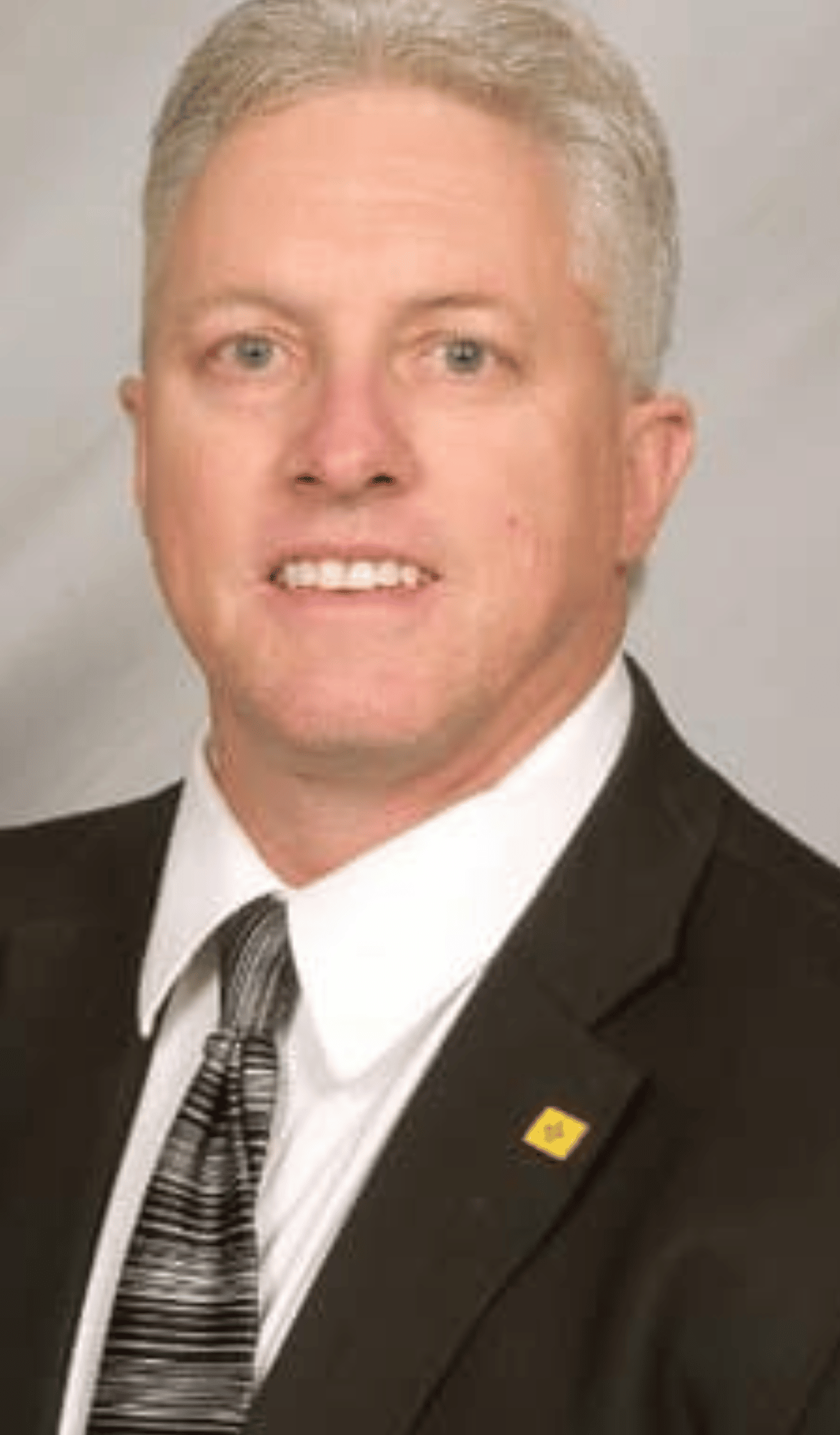
Chuck Hibbert, school safety speaker

Chuck Hibbert

Senior Consultant, National School Safety and Security Services
Emergency planningSchool transportationSecurity assessmentsSchool police and SROs

Chuck Hibbert retired after 21 years as Coordinator of Safety and Transportation Services for the Wayne Township Metropolitan School District in Indianapolis, following twelve years with the Indiana State Police. A master level instructor in Nonviolent Crisis Intervention certified by the Crisis Prevention Institute, he has trained and consulted nationally on school security assessments and emergency preparedness and serves as an expert witness consultant on school safety. Chuck was co-designer of the concept that led to the Indiana School Safety Specialist Academy, served as founding chairperson of its Advisory Council, and received the Bell Ringer Award for his contributions to school safety in Indiana.

Presentations

All presentations run one to three hours and are tailored to your district or building through consultation and input from your school.

Managing Behaviors in Education’s Most Difficult Environment: The Bus!

Drivers receive extensive training to drive the bus, but far less on managing behavior. Through realistic scenarios and active participation, drivers learn the power of verbal intervention from the driver’s seat, how to handle an angry parent at the bus stop, and the challenges personal space presents on a bus.

Is Your Emergency Plan Yours or the State’s?

Many school plans meet state mandates but fall short of what schools need to manage real emergencies. This session reviews your current plan and shows how to meet both state requirements and fundamental school safety needs. It is most effective in a tabletop format.

School Administration and School Police, SROs, or Security: Teammates or Tormentors?

A detailed look at how the school safety team operates and the issues that arise even in the best circumstances. The session covers both sides of the relationship, identifies common problems, and offers practical ways to remove those barriers.

Physical Security vs. Emotional Security: Must It Be One or the Other?

Many states are funding grants for physical security, but that is only half of school safety. This session examines why schools need both and how to present a comprehensive approach to school safety.

Training Support Staff and Their Role in School Safety

Support staff training is too often neglected or minimized, yet these adults play a critical role in school safety. This session helps support staff understand their role and how to be another trusted adult in the building.

Who Is Conducting Your Building or District Safety Assessment?

Templated assessment forms, or assessments conducted with a product vendor present, may not reflect what your schools actually need. This session discusses your options in detail before thousands of dollars are spent.

Maximizing School Safety Resources for School Safety Leaders

Helps upper-level leaders manage school safety resources effectively and asks a hard question: is school safety truly your number one priority, or simply the phrase echoed to the public when something goes wrong?

Bomb Threats and Social Media Threats

A review of current practices for bomb threats and social media threats: what is in writing, who is trained, and whether your response is guided by sound procedures or by panic.

Should You Ever Tell Law Enforcement No?

An examination of your current working relationship with local law enforcement, including whether, and when, it is appropriate for school leaders to say no.

Dr. Stephen Bucheli Bayne, Ed.D.

Dr. Stephen Bucheli Bayne, Ed.D.

K-12 school safety and emergency preparedness leader
Regional safety collaborativesIncident Command and EOC readinessDistrictwide safety systems

Stephen Bucheli Bayne, Ed.D., brings nearly four decades of K-12 experience to presentations, exercises, and facilitated discussions designed to help school leaders move beyond isolated safety and security initiatives and build sustainable, relationship-driven systems. His programs include Building Regional School Safety & Emergency Preparedness Collaboratives, focused on bringing school districts and community partners together for meaningful planning, exercises, reunification, communications, Incident Command System and Emergency Operations Center preparedness, and other joint activities. He also presents Creating a Multi-Layered Collaborative Safety System Within Your School District, helping leaders connect administrators, safety and security, risk management, transportation, facilities, communications, mental health professionals, law enforcement, and other stakeholders within a sustainable districtwide framework.

Presentations
Building Regional School Safety and Emergency Preparedness Collaboratives

Learn how to create and sustain a regional collaborative modeled after the Emergency Preparedness Interagency Collaborative (EPIC) in Southern California, bringing together school districts, private schools, colleges, emergency managers, law enforcement, fire, healthcare, the American Red Cross, utilities, and other partners. The session shows how to move collaboration from conversation to action through regional exercises, reunification planning, EOC and Incident Command preparedness, and communications testing.

Creating a Multi-Layered Collaborative Safety System Within Your School District

Rather than relying on a single district safety committee, learn how to build multiple collaborative groups with defined purposes that connect administrators, safety and security staff, risk management, transportation, facilities, communications, mental health professionals, and law enforcement. Participants explore the communication pathways, shared planning, exercises, and leadership structures that keep this work going through personnel and leadership changes.

Dr. Asia R. Jones

Dr. Asia R. Jones

Former assistant superintendent for student services
Safety leadershipStudent mental healthThreat assessmentMTSS

Dr. Asia Jones brings more than 30 years of public education leadership experience, including service as a teacher, principal, personnel director, executive director, and assistant superintendent for student services. Asia led student services teams in Virginia public schools with student enrollments ranging from 13,000 to 84,000 students. Her presentation experience includes school safety leadership development, student mental health, dropout prevention, threat assessment, and strategic Multi-Tiered Systems of Supports.

Wendy Davison, M.Ed., CPD

Wendy Davison, M.Ed., CPD

School administrator and safety consultant
Threat assessmentEmergency operationsReunificationBehavior-based safety

Wendy Davison is an experienced school administrator, school safety consultant, and presenter with nearly three decades in K-12 education. Wendy has been deeply involved in school safety and security initiatives, serving on threat assessment teams, emergency command staffs, and multidisciplinary task forces across multiple states. Her programs address behavioral threat assessment, emergency operations planning, crisis response and communications, reunification, school climate, and prevention-focused, behavior-based school safety.

Presentations

Each presentation can be tailored for keynotes, conference breakouts, leadership teams, school staff, or longer workshop formats.

Behavior-Based School Safety: Moving Beyond Hardware and Compliance

How schools can build a comprehensive safety system that combines physical security and emergency preparedness with prevention, student behavior, adult response, school climate, and protective factors.

Safety Is an Academic Variable

The connection between safety, regulation, student engagement, and academic achievement, and why school safety should be viewed as an instructional and organizational issue, not simply a security function.

Behavioral Threat Assessment and Management

Practical, evidence-based approaches to identifying, assessing, and managing concerning student behavior, including multidisciplinary threat assessment teams, investigative practices, intervention, documentation, and case management. Closely aligned with the Comprehensive School Threat Assessment Guidelines (CSTAG) model.

Emergency Operations Planning: From Compliance to Capability

Moving the emergency operations plan off the shelf and into daily practice through effective Incident Command structures, staff training, functional annexes, crisis communications, exercises, and operational readiness.

School Reunification: Planning for the Second Half of the Emergency

Developing and exercising effective family reunification systems, including site selection, staffing, accountability, transportation, parent communication, law enforcement coordination, and recovery. Also available as a tabletop exercise for school leadership teams.

Crisis Communication for School Leaders

How schools communicate effectively with staff, families, students, media, and the broader community before, during, and after a crisis, with an emphasis on speed, accuracy, transparency, and maintaining trust.

De-Escalation, Student Regulation, and the Role of Adult Behavior

How adult responses can either reduce or accelerate escalation, and how consistent, regulation-informed practices can improve both school safety and the instructional environment.

Building a Comprehensive School Safety System

A leadership-level examination of how emergency preparedness, behavioral threat assessment, physical security, student support, school climate, communication, and prevention should function as one integrated system rather than separate initiatives.

Rick Kaufman, APR

Rick Kaufman, APR

Crisis communications and emergency management
Crisis communicationEmergency managementColumbine response lessons

Ricky J. Kaufman brings more than 30 years of leadership experience in Wisconsin, Colorado, and Minnesota school systems, specializing in emergency management, crisis response and communications, trauma-informed leadership, and behavioural threat assessment. In 1999, he served as Co-Leader of the Columbine Crisis Response Team following the tragic school shooting. His presentations equip education leaders to prepare for and navigate school emergencies, manage complex and rapidly evolving crises, and strengthen communication and coordination with families, staff, news media, and community partners.

Bobby Kipper

Bobby Kipper

Violence prevention and law enforcement expert
Violence preventionSRO trainingBehavior-based prevention

Bobby Kipper brings decades of law enforcement, school safety, and violence prevention experience to programs focused on long-term approaches to school and community violence. His background includes developing school safety programs, training school staff and first responders, police negotiation, school resource officer training, and behavior-based approaches to prevention and school safety.

Trent Lovett

Trent Lovett

Former superintendent, Marshall County Schools
Shooting response and recoveryReunificationMedia and community

Former Marshall County Schools Superintendent Trent Lovett provides a firsthand perspective on leading a school district through the January 2018 Marshall County High School shooting and its aftermath. His presentation addresses the immediate response, first responders, reunification, media responsibilities, reopening the school, litigation, and challenges that continued in the weeks, months, and years following the tragedy. Over more than 32 years with Marshall County Schools, he served as a math and science teacher, middle school principal, principal of Marshall County High School, and superintendent from 2008 until his retirement in 2021.

Presentation

Presented in two parts of approximately one hour each, using PowerPoint and video.

Responding to an Actual Violent Crisis

A firsthand account of the January 23, 2018 shooting at Marshall County High School in Benton, Kentucky, from the perspective of the district superintendent who was also the father of a student inside the school. Part 1 traces the events of the day, including acts of heroism by students and staff, the arrival of first responders, the arrest of the shooter, and reunification. Part 2 covers the aftermath, from securing the scene and media responsibilities to cleaning the facility, reopening the school, the trial, the lawsuit, and the months and years that followed.

Kirk Carpenter

Kirk Carpenter

Former superintendent and crisis leader
Preparedness and drillsAgency coordinationRecovery

Kirk Carpenter draws upon firsthand experience as superintendent during the December 2017 Aztec High School shooting to help school leaders examine their own preparedness. His programs address school safety plans and drills, coordination with community response agencies, crisis leadership, recovery, school safety culture, and the everyday commitment required to keep students and staff safe.

Presentations
When the Wolf Comes Knocking at Your Door, Will You Be Ready?

A firsthand account of the December 7, 2017 active shooter event at Aztec High School in Aztec, New Mexico. Participants reflect on their own preparedness, learn how to strengthen safety plans and purposeful drills, build partnerships with local agencies, and embrace the mindset that “Every Day is Game Day.” This session can be extended or paired with an additional session for more in-depth takeaways.

Fostering a Culture of School Safety

School safety is about more than funding. This session explores how ongoing communication, trust, regular evaluation, and the engagement of staff, students, families, and community partners create a culture where safety is a shared responsibility and vigilance is second nature.

Under the Microscope: What to Prepare for and What to Expect After an Incident

Drawing on lessons from the Aztec High School shooting, participants examine the broad range of issues that arise after a tragedy, from sustained social and emotional support for students and staff to a commitment to safety that goes beyond compliance.

Leading Through Crisis

Effective crisis leadership depends on a well-prepared team, not one individual. This session covers team-based leadership, the critical role of advance planning and practice, and building a culture of ownership in which everyone, from board members to classroom teachers, understands their role in school safety.

John Calvert and Dr. Heather Calvert

John Calvert and Dr. Heather Calvert

Law enforcement and school leadership team
Educator and police partnershipsSRO programsSchool leadership

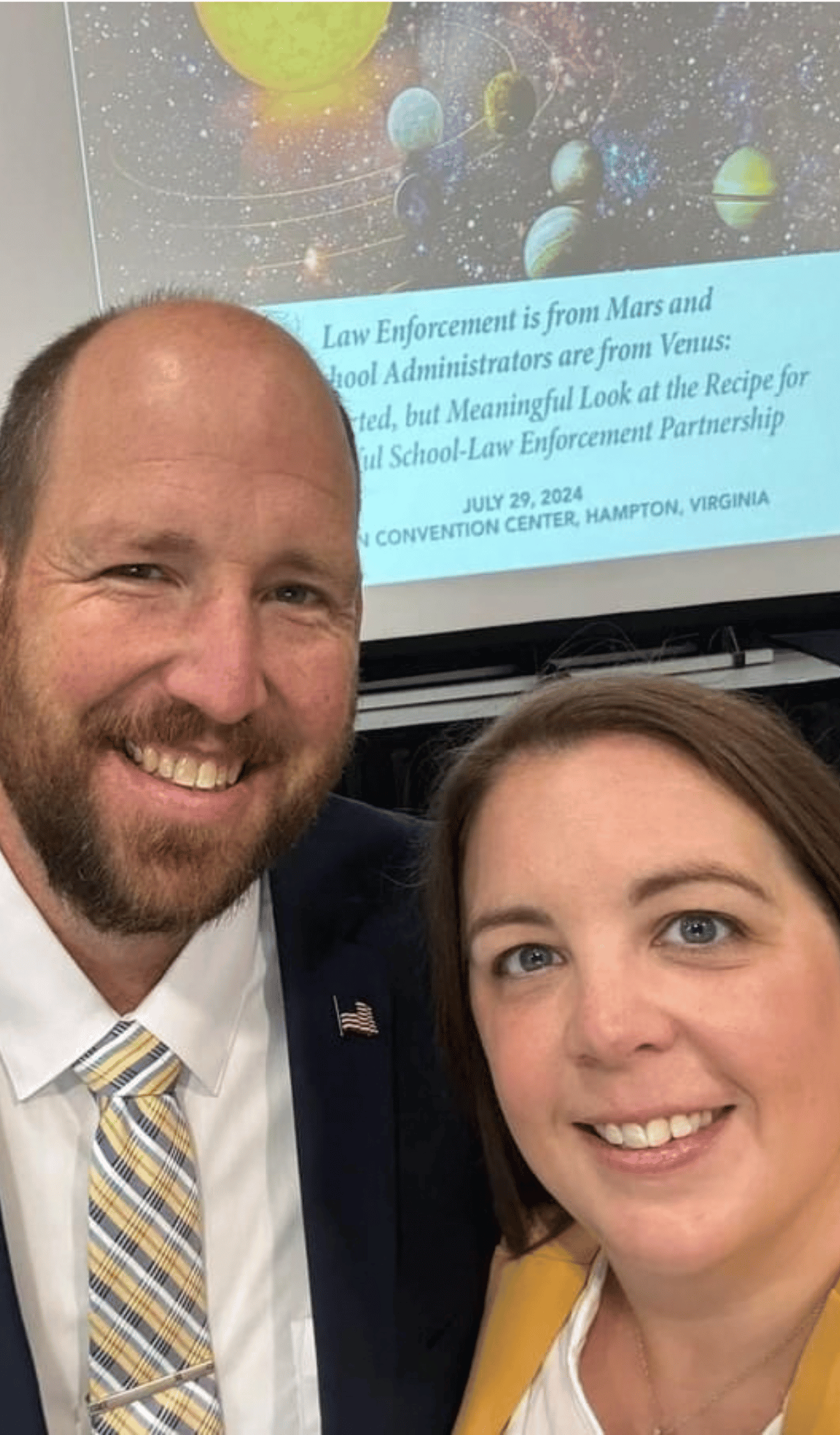
John and Heather Calvert bring together two professional worlds that must work together to keep schools safe: education and law enforcement. John served 12 years as a full-time law enforcement officer, including six years as a school resource officer, and is now Director of School Safety for the Kansas Department of Education. He is recognized by the U.S. Department of Education’s Safe and Secure Schools Unit as a subject matter expert in school safety. Dr. Heather Calvert holds a doctorate in educational leadership and has served as a classroom teacher, instructional literacy coach, assistant principal, principal, principal coach, and adjunct professor at Fort Hays State University. She has presented nationally and published numerous articles on education.

Presentations
Merging Two Worlds John and Heather

School safety does not have to start with millions spent on products or redesign. Drawing on years of dinner table conversations between an educator and a law enforcement officer, John and Heather share five practical merges that strengthen the partnership between schools and law enforcement and can be implemented in any school at no cost.

The 2% John and Heather, or John

In every school and law enforcement agency, most people will move forward when leadership is clear, consistent, and supportive, while a small percentage consistently resists change. This session shows leaders how to invest their energy in the 98%, set clear expectations, and build cultures where the success of the many is not derailed by the resistance of the few.

It’s Time to Remember John

A heart-centered keynote that reconnects educators and School Resource Officers with the purpose behind their work. Through engaging stories and real-world insight, it highlights the partnership between educators and SROs and invites participants to refocus, recharge, and reignite the passion that first inspired their service.

Rethinking Crisis Drills John

Crisis drills are meant to prepare, not traumatize. This practical session challenges outdated, fear-based approaches and shows how to design drills that are effective, developmentally appropriate, and trauma-informed, building confidence and real-world readiness without overwhelming staff or students.

Chris Ellison

Chris Ellison

Pupil transportation safety leader
Transportation safetyDe-escalationBus threatsBehavior management

Chris Ellison brings more than 30 years of pupil transportation experience, from special-needs school bus driver to Director of Transportation and Fleet Services for a large Oregon public school district serving 9,000+ students across 16 schools and five cities. He is a state-certified classroom and behind-the-wheel trainer instructor, Oregon DMV third-party tester, former president of the Oregon Pupil Transportation Association, national presenter, and experienced pupil transportation expert witness. His presentations address the real-world safety and leadership challenges facing school transportation professionals, including student behavior management, bullying prevention, de-escalation, difficult parent encounters, active threats on school buses, crisis response, relationship-building, and transportation leadership. Chris combines frontline driving experience with decades of supervisory and training expertise to help transportation teams strengthen communication, judgment, preparedness, and professional practice.

Presentations

Workshops and presentations for school transportation professionals:

Active Threats on School Buses
Student Management, Bully Prevention, and De-Escalation
When Parents Cross the Line
Interpersonal Relationships and Positive Reputation Building
How to Respond to a Fatal Wreck and What to Expect on Scene
Dr. Scott Poland

Dr. Scott Poland

School psychologist and crisis expert
Crisis responseSuicide preventionThreat assessment

Dr. Scott Poland is a nationally recognized school psychologist and crisis expert with extensive experience presenting nationally and internationally. Scott spent decades leading psychological services for a Texas school district and is a Professor of Psychology and Director of the Suicide and Prevention Office at Nova Southeastern University in Fort Lauderdale, Florida. Scott has responded to provide post-crisis psychological services for the nation’s largest school shooting and school suicide crises. His programs address school crisis response and recovery, youth suicide prevention and intervention, self-injury, bullying and youth violence, threat assessment, parenting, and psychological services in schools.

Dr. Stephen Sroka

Dr. Stephen Sroka

Educator and school health expert
Trusted relationshipsStudent well-beingHealth education

Dr. Stephen Sroka brings more than 50 years of experience in education, including teaching, administration, crisis intervention, and work with Native American communities. A National Teachers Hall of Fame inductee and nationally recognized school health educator, he is an international speaker, author, consultant, and adjunct assistant professor at the Case Western Reserve University School of Medicine. School Safety, Well-Being and Leadership: Trusted Relationships with Heartware Before Hardware: This keynote focuses on trusted relationships as a foundation for school safety, well-being, and leadership. Dr. Sroka brings to life the 4 C’s: Communication, Collaboration, Cultural Competency, and Caring, while emphasizing “heartware” before hardware. Drawing on research, decades of experience, and his own cardiac-arrest survival during a school in-service, he also shares the Power of Many message and the importance of teamwork, resilience, and collective responsibility.

Presentation
School Safety, Well-Being and Leadership: It’s All About Trusted Relationships, with Heartware Before Hardware

Trusted relationships may be the most important variable for school safety, well-being, and leadership. This keynote models the 4 C’s of Communication, Collaboration, Cultural Competency, and Caring, and stresses working with heartware (people) before hardware (things). Dr. Sroka also shares how a cardiac arrest during a school in-service, and the SROs and educators who saved his life, changed his message from The Power of One to The Power of Many. Research-based and reality-driven, it offers honesty, humor, and hope.

Dr. Christine Eith, PhD

Dr. Christine Eith, PhD

Sociologist and school violence researcher
Evidence-based preventionStudent connectednessSchool violence research

Christine Eith, PhD, brings a research-driven perspective to school safety, violence prevention, and student connectedness. A sociologist specializing in research methods, school violence, and delinquency, she helps school leaders understand how social bonding, relationships, school climate, and student connection can contribute to safer learning environments and reduced disruptive behavior. Her presentations also help education leaders critically examine school safety research, distinguish evidence from assumptions, and apply research findings to practical PreK-12 prevention and improvement strategies. Dr. Eith serves as Department Chair of Advanced Studies in Education and an associate professor at the Johns Hopkins University School of Education.

Presentations

Presentation focus areas

School Violence Prevention and Student Connectedness

How social bonding, relationships, school climate, and student connection can contribute to safer learning environments and reduced disruptive behavior.

Using School Safety Research to Guide Prevention

Helping education leaders critically examine school safety research, distinguish evidence from assumptions, and apply research findings to practical PreK-12 prevention and improvement strategies.

Topics

School safety speaking topics

Programs can be tailored to your audience, from a single keynote to a coordinated series of sessions.

School safety leadership and decision making

Crisis response and recovery

Emergency preparedness, reunification and EOC readiness

Crisis communications and the media

Mental health, suicide prevention and well-being

Law enforcement and SRO partnerships

Violence prevention and student behavior

School transportation safety

Research and evidence-based prevention

Who we serve

Audiences

  • ✓Superintendents and cabinet administrators
  • ✓School boards
  • ✓Principals and assistant principals
  • ✓Teachers and support staff
  • ✓School safety and crisis teams
  • ✓Communications professionals and PIOs
  • ✓School resource officers and security staff
  • ✓Mental health and student services professionals
  • ✓Transportation and facilities staff
  • ✓Public, independent, faith-based and charter schools
Program formats

Formats

Conference keynotes
Strategic messages for large association and conference audiences.
Workshops and seminars
More time for discussion, examples and applying ideas to participants’ own schools.
Staff professional development
Role-specific training with practical examples and exercises.
Facilitated planning sessions
Working sessions that help leadership and safety teams clarify roles and next steps.
Panels and multi-presenter programs
Combine several speakers into one coordinated event.
Speaking experience

Where Dr. Trump has presented

Dr. Kenneth S. Trump has spoken to national and state education associations, law enforcement and emergency management groups, government agencies and universities.

National School Boards AssociationAASA, The School Superintendents AssociationNational Association of Secondary School PrincipalsNational Association of Elementary School PrincipalsNational PTANational Association of School Resource OfficersFBI National AcademyU.S. Department of JusticeU.S. Department of StateCongressional education and homeland security committees
How booking works

Request a speaker from our school safety speakers bureau

1
Tell us about your event
Share the date, location, audience, expected attendance and the topics you have in mind.
2
We recommend speakers
We suggest the best fit from our bureau, for a single keynote or a combined program.
3
We coordinate the details
Our office handles scheduling and program planning with you and the presenters.
FAQ

School Safety Speakers Bureau FAQ

What is the National School Safety and Security Services Speakers Bureau?+

It is a roster of experienced K-12 presenters coordinated by Dr. Kenneth S. Trump and National School Safety and Security Services. Our speakers include former superintendents, school administrators, crisis responders, school psychologists, law enforcement and SRO experts, transportation leaders and researchers who present keynotes, workshops, panels and professional development.

Who are your school safety speakers?+

Our bureau includes Dr. Kenneth S. Trump, Dr. Stephen Bucheli Bayne, Dr. Asia R. Jones, Wendy Davison, Rick Kaufman, Bobby Kipper, Trent Lovett, Kirk Carpenter, John Calvert and Dr. Heather Calvert, Chris Ellison, Dr. Scott Poland, Dr. Stephen Sroka and Dr. Christine Eith.

What school safety topics can your speakers address?+

Topics include school safety leadership and decision making, crisis response and recovery, threat assessment, emergency preparedness and reunification, crisis communications, student mental health and suicide prevention, law enforcement and SRO partnerships, violence prevention, school transportation safety and evidence-based prevention research.

Can we book more than one speaker for the same event?+

Yes. We can coordinate panels, multi-presenter programs and a series of sessions so your event covers several perspectives with one point of contact.

What formats are available?+

Conference keynotes, workshops and seminars, staff professional development, facilitated planning sessions, panels and multi-presenter programs. Programs can be tailored to your audience.

Do your speakers sell security products?+

No. Our bureau provides independent expertise and practical experience with no product pitches.

How do we request a speaker?+

Contact our office with your event date, location, audience and topics of interest, or call (216) 251-3067. We will recommend the best fit and coordinate the details with you.