
School Safety Keynote Speaker & Trainer: Dr. Kenneth S. Trump

Dr. Ken Trump has spent more than four decades presenting school safety training to the people responsible for keeping students safe, from superintendents, principals, and school board members to state and federal policymakers, first responders, attorneys, academicians, and the media.
Dr. Ken’s approach emphasizes practical preparation, clear communication, and the people responsible for putting school safety plans into action. Programs are built for the audience in the room, not delivered off a shelf. Formats include keynote presentations, workshops and seminars, and facilitated planning sessions for school safety and crisis preparedness teams.
Whether you are planning a conference keynote, district professional development session, or focused leadership workshop, our school safety training is developed around your audience, available time, and desired outcomes.
School Safety Presentation & Workshop Topics
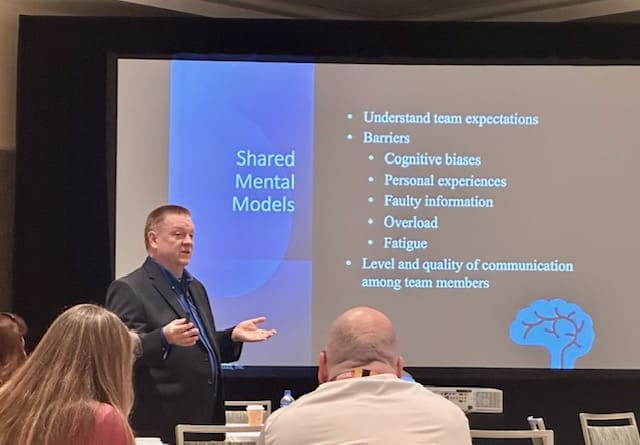
The following programs provide a starting point for planning your school safety training. Content, emphasis, examples, and depth can be tailored to your audience and format.
1. School Safety Leadership: Making Decisions Under Uncertainty
Practical strategies for setting priorities, assessing competing recommendations, and leading under pressure.
School leaders face pressure to act quickly on safety concerns, often before all the facts are available. Competing recommendations, heightened emotions, political and community pressures, and demands for immediate solutions can make it difficult to distinguish meaningful improvements from reactive decisions.
This presentation examines how leaders can bring structure and direction to uncertain situations. Participants explore ways to assess competing priorities, clarify responsibility, and connect safety decisions to the operational realities of their schools. The emphasis is on leadership judgment and organizational readiness before, during, and after a crisis.
Key takeaways:
- Evaluate safety proposals against school needs, implementation demands, evidence, and long-term sustainability.
- Clarify leadership responsibilities and expectations before a high-pressure incident.
- Recognize how uncertainty and organizational pressures influence school safety decisions.
- Establish a practical process for reviewing concerns and following through on improvements.
Ideal audiences: Superintendents, cabinet members, principals, school boards, independent school heads, and school safety leaders.
Suggested formats: Leadership keynote, administrator workshop, or facilitated leadership discussion.
2. School Safety Training for Staff: Situational Awareness & Decision-Making
Target hardening people, not just places: Strengthening situational awareness and decisions under stress.
Security equipment and written procedures depend on people to use them effectively. Distractions, assumptions, inconsistent routines, complacency, and unclear expectations can weaken even a well-developed school safety program.
This session focuses on the human side of prevention and preparedness. Participants examine how everyday habits influence security, how stress can affect attention and judgment, and how clearer procedures and purposeful practice can support more consistent responses.
The goal is not to create fear or turn educators into security officers. It is to help staff become more attentive, confident, and prepared to recognize concerns, communicate effectively, and carry out their actual safety responsibilities.
Key takeaways:
- Recognize everyday conditions that contribute to missed concerns and inconsistent safety practices.
- Strengthen situational awareness without creating a climate of fear.
- Identify where procedures need clearer language, ownership, or reinforcement.
- Use discussion, practice, and active supervision to prepare staff for decisions under pressure.
Ideal audiences: Teachers, administrators, office staff, support staff, school security personnel, and school resource officers.
Suggested formats: Staff professional development, conference presentation, or interactive workshop.
3. Building Effective School Safety & Crisis Response Teams
Moving from improvised response to structured, coordinated teams.
A school safety team needs more than a roster and an emergency binder. Members need a shared purpose, defined responsibilities, productive meetings, communication processes, and a clear understanding of how they will work together when an incident occurs.
This workshop examines what makes school and district safety teams functional before an emergency and better prepared to coordinate under pressure. Participants explore team membership, leadership, communication, accountability, and follow-through, with attention to relationships among schools, district offices, and community response partners.
Key takeaways:
- Define the team’s purpose, membership, responsibilities, and decision-making processes.
- Build meeting routines that produce action and accountability.
- Clarify coordination among school teams, district leaders, and first responders.
- Use exercises and incident reviews to identify gaps and sustain improvement.
Ideal audiences: School and district safety teams, administrators, student services professionals, school security staff, SROs, and emergency response partners.
Suggested formats: Team workshop, facilitated planning session, or conference breakout.
4. School Security & Emergency Preparedness Planning
Getting the fundamentals right and making them work every day.
Effective school safety requires consistent attention to everyday practices as well as preparation for major emergencies. Schools benefit from examining how supervision, access procedures, staff responsibilities, reporting practices, communications, emergency plans, drills, and exercises work together.
This program provides a practical review of school security and emergency preparedness fundamentals. Participants consider where gaps can develop between written expectations and daily operations, how to prioritize improvements, and how to make preparedness an ongoing process involving staff and community partners.
Key takeaways:
- Examine daily security practices for gaps in consistency, implementation, and responsibility.
- Identify where emergency plans need greater clarity or operational detail.
- Connect staff training, drills, tabletop exercises, and other exercises to specific preparedness needs.
- Set manageable priorities for implementation, review, and follow-through.
Ideal audiences: Principals, district administrators, safety coordinators, school security personnel, crisis teams, and staff with safety responsibilities.
Suggested formats: Professional development session, practical workshop, or conference presentation.
5. School Safety & Crisis Communication for School Leaders
Providing clear information when facts are developing and concern is high.
School safety communication begins well before an emergency. How schools explain their everyday safety practices, respond to concerns, communicate risk, and set expectations shapes the relationships and credibility they will rely upon during a crisis.
This presentation examines how to communicate with students, staff, families, news media, and the broader school community when information is incomplete and emotions are high. Participants explore the balance between timely updates and accuracy, the importance of acknowledging uncertainty, and ways to coordinate messages across school and district leadership.
Key takeaways:
- Explain safety practices clearly while respecting sensitive security information.
- Prepare communication responsibilities and processes before an incident.
- Address developing situations without speculation or unsupported assurances.
- Maintain useful follow-up communication as circumstances change.
- Build credibility before a crisis puts school-community trust to the test.
Ideal audiences: Superintendents, principals, communications directors, public information officers, school boards, and school safety leaders.
Suggested formats: Conference keynote, leadership and communications workshop, or facilitated scenario discussion.
Who Are These School Safety Training Programs Designed For?
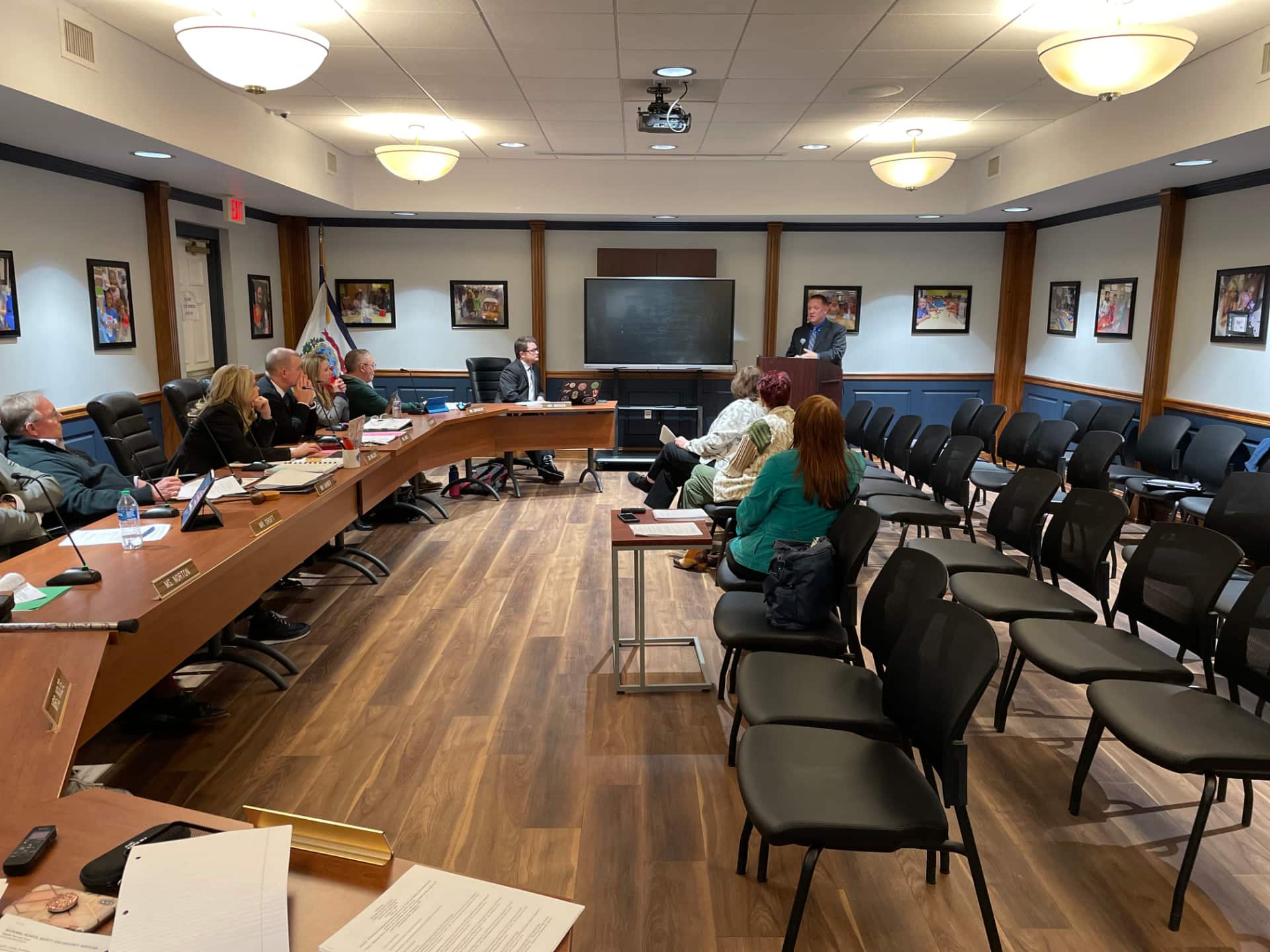
Dr. Ken Trump’s school safety programs are tailored for superintendents, school boards, principals and administrators, teachers and support staff, school safety and crisis teams, communications professionals, school resource officers and public safety partners, and leaders of public, independent, faith-based, and charter schools.
The responsibilities, experience, and needs of the participants guide the content and emphasis of each program.
School Safety Speakers Bureau
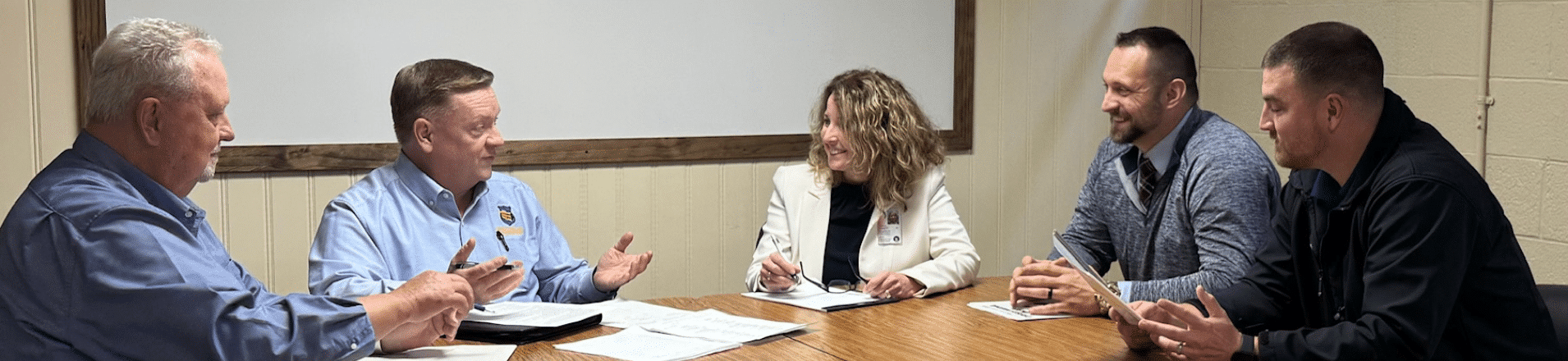
Experienced K-12 School Safety Speakers for Conferences, Keynotes & Professional Development
Looking for an experienced school safety speaker or a team of presenters for your conference, education association, school district professional development program, leadership retreat, or special event?
Our School Safety Speakers Bureau connects schools, conference planners, associations, and other organizations with experienced professionals who bring practical and firsthand perspectives on school safety, school security, emergency preparedness, crisis leadership and communications, violence prevention, behavioral threat assessment, school resource officer partnerships, student mental health, crisis response, and recovery.
Our speakers include current and former school administrators, school safety professionals, law enforcement and school resource officer experts, psychologists, violence prevention specialists, and education leaders who have managed major school crises.
Programs can include keynote presentations, conference sessions, workshops, panels, leadership programs, exercises, facilitated discussions, and professional development.
Independent expertise. Practical experience. No product pitches.







School Safety Speaking Experience Across Education & Public Safety
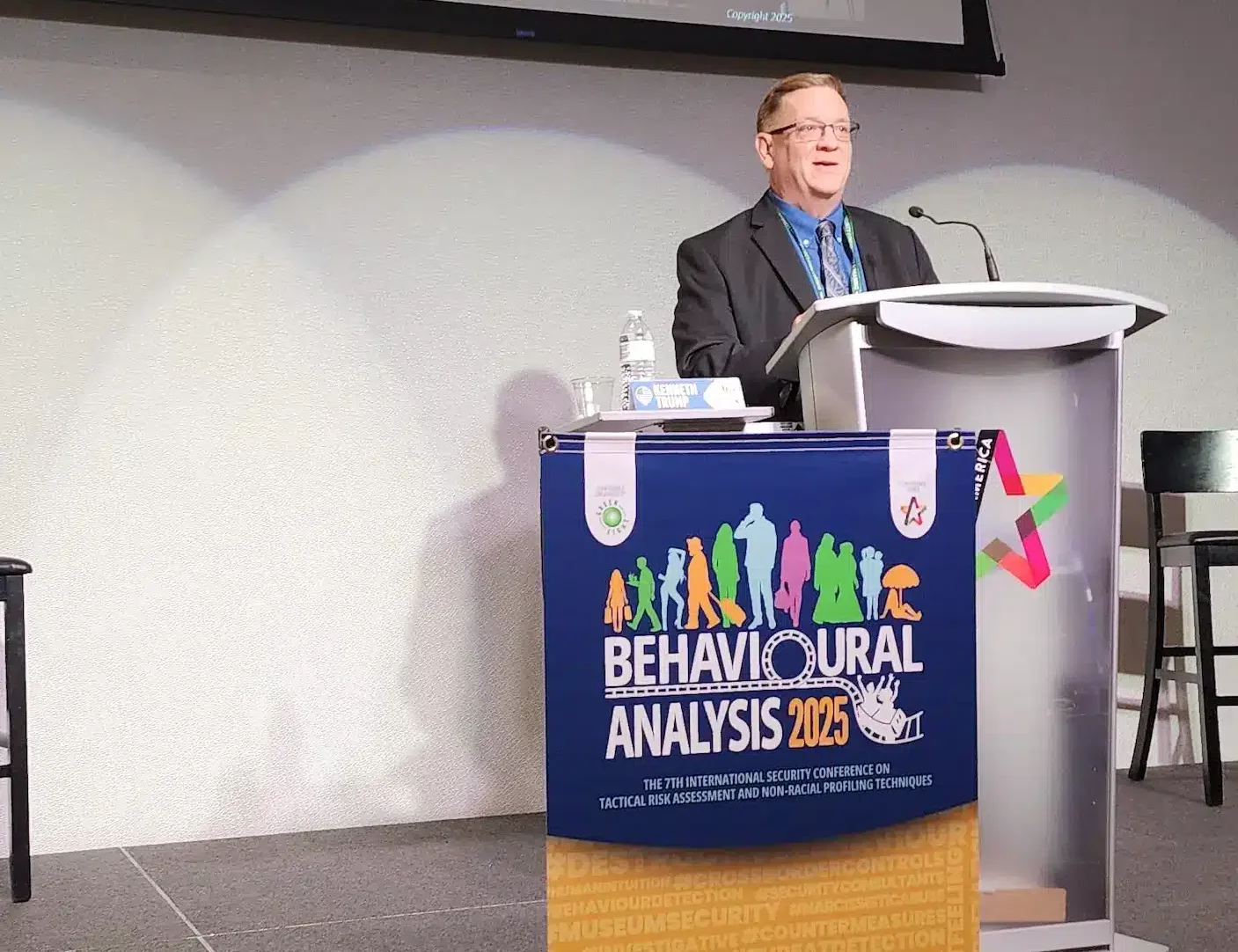
In addition to public, parochial, independent, and charter schools and regional education offices nationwide, examples include:
Education and professional associations — National School Boards Association, American Association of School Administrators, National Association of Secondary School Principals, National Association of Elementary School Principals, National School Public Relations Association, Association of School Business Officials International, National PTA, National Association of School Resource Officers, and state-level associations in Ohio, Texas, Wisconsin, Kentucky, Georgia, Montana, and Michigan, among others.
Law enforcement and emergency management — FBI National Academy, state police and gang investigator associations, state emergency management agencies, and regional community-policing institutes.
Government and public policy — U.S. Senate and House committees on education and homeland security, the U.S. Commission on Civil Rights, the U.S. Department of Justice and State Department, state departments of education, and state school-security commissions and task forces (including the Sandy Hook Advisory Commission and the New Jersey School Security Task Force).
Academic institutions — The Ohio State University, University of Virginia, University of Wisconsin, Purdue University, and Cleveland State University, among others.
- (Reference letters from past clients and engagements available on request.)
Latest from School Safety Keynotes, Training Presentations & Workshops


Dr. Kenneth S. Trump
President, National School Safety and Security Services
Dr. Kenneth S. Trump is President of National School Safety and Security Services, an independent, non-product-affiliated school safety consulting firm. With more than 40 years of experience in PreK–12 school safety, security, and emergency preparedness, he provides independent analysis and strategic guidance to school leaders nationwide.