These are not generic checklists.
They are customized evaluations based on 40+ years of national PreK–12 school safety experience — independent of vendors, products, or special-interest agendas.
Why School Districts Request School Safety and Security Assessments
Districts seek professional independent school safety and security assessments to:
Identify what is working — and build on existing strengths
Enhance protection against crime, violence, and critical incidents
Reduce risk and liability exposure
Strengthen parent and community confidence
Demonstrate thoughtful, proactive safety leadership
Support grants, levy campaigns, and long-range planning with independent documentation
Assessments help districts move from assumptions to clarity, and from “we think” to “we know.”
What Our School Safety and Security Assessment Includes
1. Comprehensive Review of Policies, Procedures & Plans
We evaluate district-level and school-level documents, including:
Safety and security policies
Emergency operations / crisis plans
Threat assessment processes
Student support services and behavioral intervention practices
Training protocols and professional development
Communications and parent-notification practices
Our review identifies gaps, inconsistencies, outdated content, and opportunities for alignment.
2. Interviews & Focus Groups Across the District
The heart of our school safety and security assessments is listening.
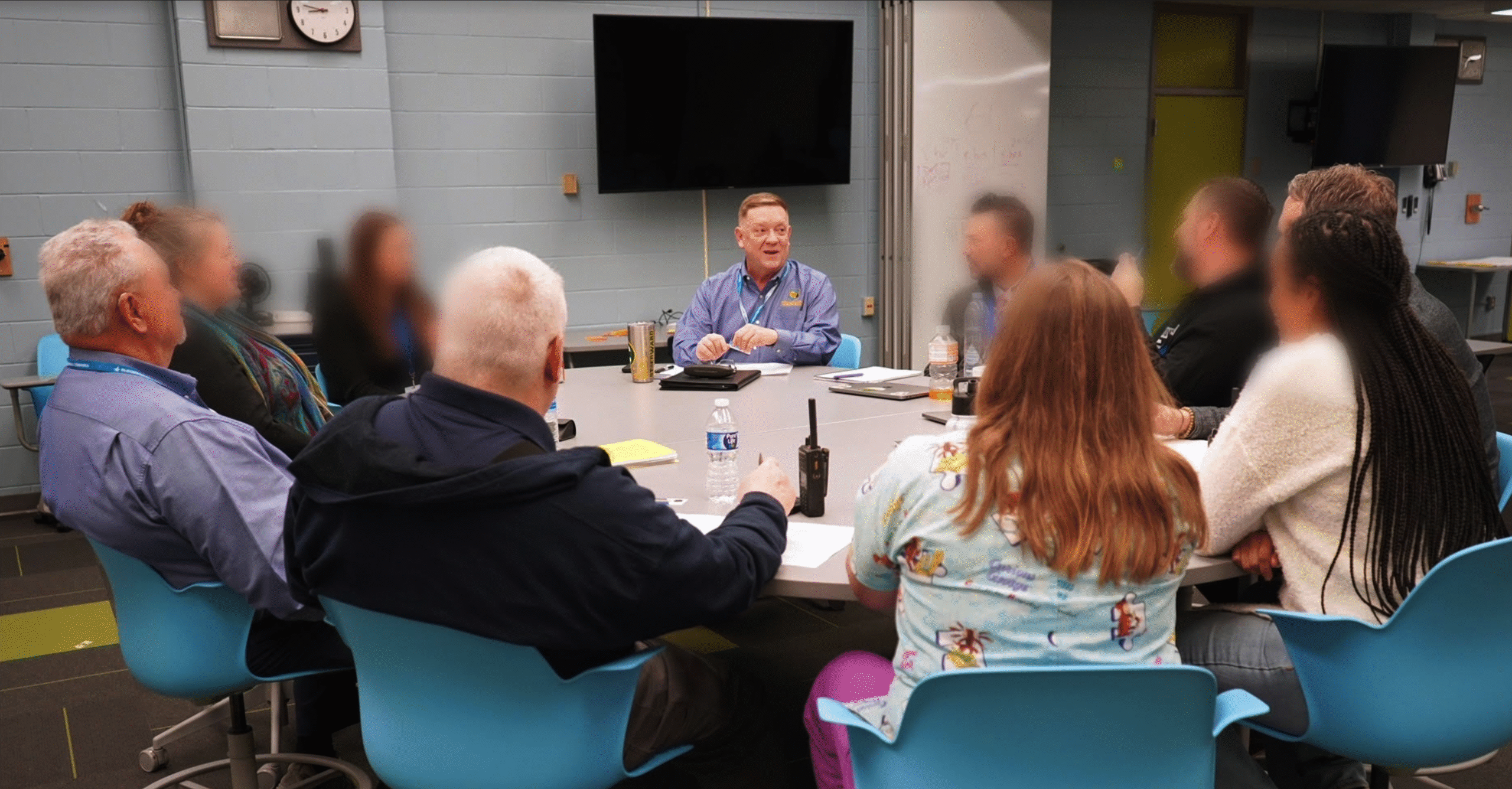
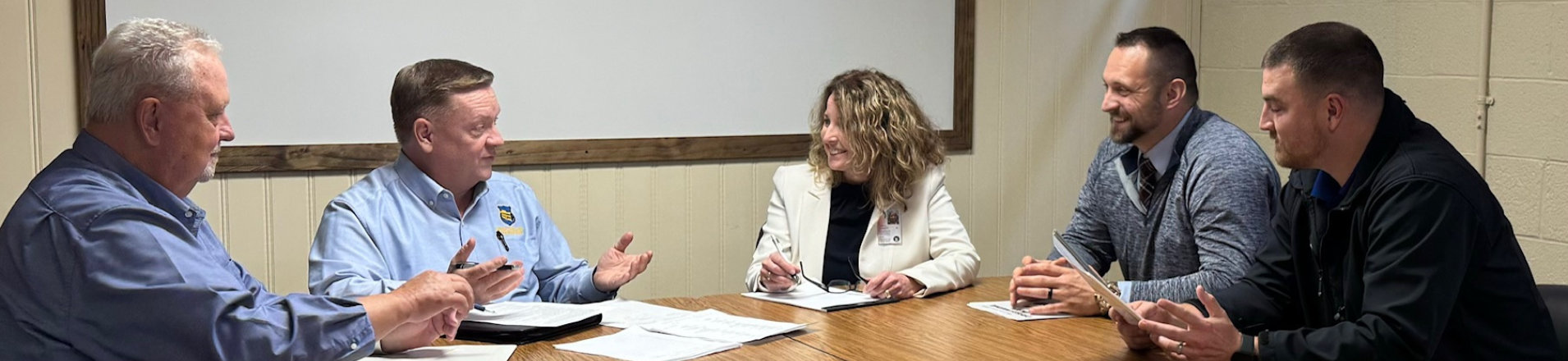
We conduct confidential interviews and focus groups with:
District-level administrators (curriculum, HR, business/operations, student services, technology, transportation, food service, communications)
Secondary and elementary principals
Teachers and support staff
Board members
School-based police officers/SROs
Law enforcement, fire, EMS, and other first responders
Community partners as appropriate
This provides a true understanding of real-world day-to-day operations, perceptions, concerns, and organizational dynamics.
3. School Building Visits
We examine school safety and security issues including:
Behavioral concerns and emerging school safety threats unique to each school community
Physical security (interior/exterior)
Access control practices
Visitor management
Staff supervision and situational awareness
Security technology (access control, cameras, communications, intrusion detection, etc.)
Perimeter conditions and parking/traffic flow
After-hours and community-use patterns
This moves us beyond written plans to the “real-life safety picture” in your schools.
4. Review of School Safety and Security Incident, Discipline & Crime Data
Where available, we review:
Weapons incidents
Assaults, fights, and threats
Mental health and behavioral indicators
Trend lines
Response patterns
Gaps in data collection and communication
These insights help identify patterns and opportunities for early intervention.
5. Evaluation of District Emergency Preparedness
We assess your readiness in areas such as:
Lockdowns, evacuation, shelter-in-place
Reunification planning
Drills and exercises
Staff training and expectations
Crisis decision-making
Communications and notifications
Administrator roles and responsibilities
Coordination with first responders
We evaluate not only plans on paper but also the implementation reality.
6. Analysis of School Safety Culture, Leadership, & Communication
School safety is not just hardware — it is leadership, culture, people, and practice.
We examine:
Internal communication flow
Clarity of expectations
Follow-through on known concerns
Role clarity (who does what, when, and how)
District–school alignment
Community relationships
We look specifically for “disconnects” between written policy and day-to-day practice — a major source of risk and liability.
Final Deliverable: An Actionable Roadmap — Not a Binder That Sits on a Shelf
You receive a clear, detailed, professionally written report that includes:
 What you’re doing well
Strengths often go unrecognized — but they matter.
Practical, prioritized recommendations
Short-term, mid-term, and long-term action steps.
No “shopping lists” of products or vendor-driven add-ons
We don’t sell cameras, buzzers, apps, or hardware.
Our independence is our strength.
A balanced, reasonable, cost-conscious approach
We never promote a “fortress mentality.”
If hardware or staffing enhancements are warranted, they are always placed within a broader, comprehensive strategy — never as stand-alone fixes.
A roadmap for continuous improvement
Districts often use our final school safety and security assessment report to:
Build strategic safety plans
Guide board and administration conversations
Improve internal training and protocols
Strengthen communications with parents and staff
Support levy or bond campaigns
Apply for grants
Our Philosophy: Balance, Practicality, and Independence
Many school safety and security vendors want to sell products.
We provide independent, people-centered school safety and security assessments built on:
We help leaders make informed, defensible decisions based on assessment, not imitation.
School Security Assessment Team & Experience
Assessments are conducted by senior-level school safety professionals, led by Dr. Kenneth S. Trump, President of National School Safety and Security Services.
Our team brings:
-
40+ years of national experience
-
Work across thousands of schools in urban, suburban, and rural settings
-
Deep knowledge of PreK–12 culture, operations, and litigation trends
-
Independent expertise — no vendor affiliations
-
Litigation and expert witness experience that informs risk awareness and standard-of-care expectations
Depending on district size, we deploy two-person teams, multiple teams, or a scaled approach.
Next Steps: Request Information or Schedule a Conference Call to Discuss Your Needs and Interests
To discuss your district’s needs or request a proposal:
 Email: ken@schoolsecurity.org
 Phone: (216) 251-3067
We customize every school safety and security assessment — no two districts are exactly alike, and no two schools are exactly alike